It all started when I was 14, and my first period hit me like a freight train. My periods were extremely heavy from the very beginning. I remember going through tampons every hour, and by the end of each cycle, I had finished an entire box. I would try to go about my day at school, but I was constantly worried I’d leak, and it made it hard to focus on anything else. By the time I spoke with my doctor, I had already resigned myself to thinking this was just how things were. Thankfully, after bloodwork and an ultrasound to rule out anything more serious, I was put on birth control to help regulate my flow and make things more manageable.
For a while, the birth control worked. The flow got lighter, my periods became somewhat predictable, and I was able to go about my life without that constant sense of dread each month. But like many other women with endometriosis, things started to change again a few years later. By the time I was 17, my periods were becoming irregular, and the lighter flow was no longer a given. My doctor switched me to a new birth control plan where I’d take pills for nine weeks straight and only have a period in the 10th week. At first, it felt like a relief again, but it didn’t last long.
It wasn’t until I was about 19 that I really started to wonder if there was something more going on. I began to experience severe cramping that was unlike anything I had ever felt before. These weren’t just ordinary period cramps. Some days, the pain would leave me bedridden, and I’d have to curl up with a heating pad just to get through the day. I remember one particular weekend when the pain was so intense that I couldn’t even stand long enough to make myself something to eat. I stayed in bed for hours, applying the heating pad to my abdomen, hoping that would be enough to dull the sharp, relentless aches. Sometimes it worked, other times, not so much.
During this time, I also started noticing hormonal acne for the first time, which was frustrating. After trying out different skincare routines and consulting with friends, a close friend reminded me that I had switched birth control brands around the same time all of this started. That was my lightbulb moment. I switched back to my original brand, and my skin began to clear up. But my periods were still irregular, and the cramping was only getting worse.
In early 2024, things took a turn for the worse. The pain I had been feeling for years intensified beyond anything I could have imagined. It wasn’t just during my period anymore, this pain was constant. I felt bloated all the time, and I was having trouble doing simple tasks because of the discomfort. My abdomen ached, and I couldn’t shake the feeling that something was seriously wrong. I saw my doctor, and he ordered an ultrasound, suspecting an ovarian cyst might be the cause.
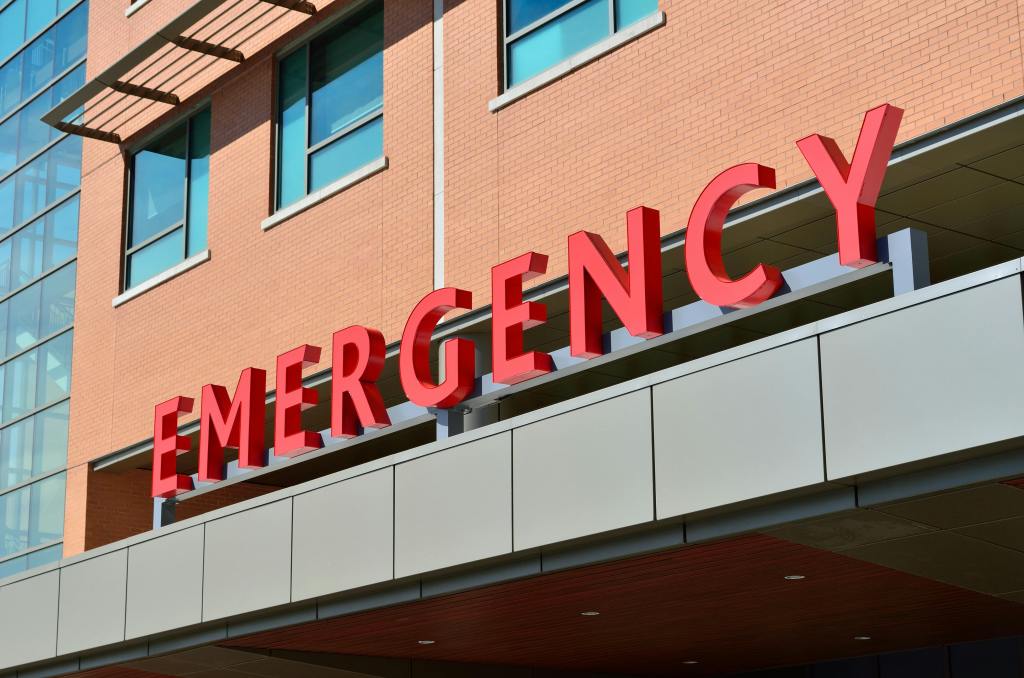
Before I could even make it to the ultrasound clinic, though, I found myself in urgent care, bent over in pain that felt like it was tearing me apart from the inside. The cramps were excruciating, and I couldn’t stand, walk, or do anything without sharp pangs shooting through my body. At the hospital, they performed a CT scan with contrast, which revealed a 3 cm cyst on my left ovary. Despite being in what felt like the worst pain of my life, the doctors didn’t do much to help. They explained that they couldn’t give me stronger pain medication because they wouldn’t be able to monitor me once I left. I begged them to admit me so they could manage the pain, but I was sent home with little more than instructions to rest.
I spent the next three days confined to my bed, barely able to move or eat. The pain was constant, and nothing seemed to help, not painkillers, not heat pads, nothing. I remember staring at the ceiling, feeling hopeless and wondering how much longer this was going to last. Eventually, I made it to my ultrasound appointment. This time, the results showed a cyst on my right ovary instead of my left. Confused, I brought it up with my doctor, who explained that the cyst on my left ovary had likely resolved on its own, and a new one had formed on the right side. He told me this cycle of cysts forming and disappearing could continue, and that’s when he began to suspect something bigger might be going on.
After years of irregular periods, debilitating cramps, and these recurring ovarian cysts, my doctor finally diagnosed me with endometriosis. He explained that endometriosis occurs when the tissue similar to the lining of your uterus starts to grow outside the uterus. This is what was causing the severe pain and discomfort, and why my cysts were coming and going like clockwork.
Talking to other women who have been through the same process, I realized how familiar this story is. One friend described how her diagnosis only came after years of being told her pain was “normal,” despite missing school and work due to the severity of her cramps. Another had multiple ultrasounds, MRIs, and even a laparoscopy before doctors confirmed endometriosis. Like me, many of these women went through countless brands of birth control, different pain management techniques, and were often brushed off by medical professionals who didn’t take their pain seriously.
In many cases, diagnosis can take years of scans, ultrasounds, and trial-and-error treatments. Some women even undergo laparoscopic surgery to confirm the diagnosis, while others go through endless cycles of trial medications, hoping something will stick. What’s most striking is how often we’re told that the pain we feel is just “part of being a woman.” But living with endometriosis is far more than just painful periods, it’s a condition that affects your entire life, sometimes in ways you don’t even realize at first.
Now, as I wait to see a gynecologist and start treatment, I find myself both anxious and hopeful. I’ve read stories of women who found temporary relief through surgery to remove the endometrial tissue, but my doctor warned me that the tissue often grows back, and it can irritate the condition even more. It’s a delicate balance, and I’m still unsure of what the best option is. What I do know is that I’m ready to try anything to ease this pain.
As I continue to navigate life with endometriosis, I’ve also started wondering if polycystic ovary syndrome (PCOS) could be part of the picture. The symptoms/ irregular periods, acne, hair loss, and the recurring cysts, seem to overlap with both conditions, and I’ve heard they can often go hand in hand. It’s something I plan to discuss with my doctor as I move forward. If there’s more to my diagnosis than endometriosis alone, I want to know what I’m up against.
Living with endometriosis isn’t just about managing pain. It’s about finding ways to reclaim your life and figuring out how to live through the discomfort. It’s about trusting your instincts when something feels wrong, and pushing for answers, even when it feels like you’re not being heard.
Advocating for Yourself: Trusting Your Body
One of the most important lessons I’ve learned throughout this journey is the power of self-advocacy. For years, I was brushed off by doctors, friends, and even myself. I believed that what I was going through was “normal,” because that’s what I had been told. But deep down, I knew something wasn’t right. No one knows your body better than you do. When something feels wrong, whether it’s pain, discomfort, or simply a gut feeling, you have every right to push for answers. Don’t let anyone, not even a doctor, convince you that your pain isn’t real or that it’s just part of being a woman.
So many people with endometriosis, PCOS, and other chronic conditions have to fight to be taken seriously. It’s exhausting, but it’s necessary. You deserve to have your pain recognized, and you deserve treatment that helps you live a full, healthy life. If one doctor doesn’t listen, find another one. If your symptoms aren’t being addressed, demand more tests. You have the right to advocate for your own health, and sometimes, that means being persistent in the face of doubt.
To anyone else going through this, know that you’re not alone. Your experience is valid, and your pain is real. The road to a diagnosis can be long and frustrating, but it’s worth every step if it means getting closer to answers and relief.
And, as always, live beyond limits.
 Chronically Thriving
Leave a comment